


In today’s digital landscape, skincare enthusiasts are continually seeking innovative methods to nurture their complexion, and face masks have emerged as an essential tool for achieving a revitalized glow. Currently, these targeted treatments deliver concentrated actives that address a broad spectrum of concerns—from excess oil to fine lines and uneven tone. Whether you gravitate toward a quick sheet mask during a busy workday or a luxurious mud mask in your evening routine, understanding how to harness their power can elevate your regimen significantly.
This year (2026), the beauty industry is witnessing a surge in formulations backed by clinical research from institutions like the American Academy of Dermatology (aad.org) and recommendations from the Centers for Disease Control and Prevention (cdc.gov). As consumers become more informed, choosing the correct type of mask and applying it effectively can mean the difference between lackluster results and a truly luminous complexion. In this comprehensive guide, we’ll delve into the key benefits of face masks, explore various categories, discuss how to select the ideal formulation for your skin type, share expert application methods, and explain optimal frequency and maintenance strategies. By the end, you’ll possess the knowledge needed to transform your weekly self-care ritual into a science-driven, results-oriented practice.
Why Face Masks Are Essential for Your Skin
Face masks stand apart from traditional cleansers and moisturizers by delivering potent ingredients directly to the skin’s surface and layers. Rather than a light rinse or daily lotion, a well-formulated mask can remain in place for 10–20 minutes, allowing actives like antioxidants, humectants, and clays to sink in and yield pronounced effects. Here are the primary advantages that make these treatments a cornerstone in modern skincare routines:
1. Deep Cleansing and Pore Purification
Masks labeled as clay or charcoal-based harness the adsorptive properties of bentonite, kaolin, and activated charcoal. These components latch onto dirt, excess sebum, and microscopic impurities lodged deep within pores. Over time, regular use can reduce the incidence of blackheads and breakouts, helping skin maintain a clearer appearance. According to studies published by the National Institutes of Health (nih.gov), ingredients like kaolin also soothe inflammation while purifying, making them suitable for oily and acne-prone complexions.
2. Intense Hydration and Barrier Support
Sheet masks and gel formulations often boast hyaluronic acid, glycerin, and botanical extracts that draw moisture into the epidermis. These humectants create a plumping effect, softening fine lines and reinforcing the skin’s moisture barrier. Lightweight gels soaked in calming agents such as aloe vera can also reduce redness and sensitivity, delivering a cooling sensation that revitalizes stressed-out skin.
3. Gentle Exfoliation and Renewal
Enzyme and peel-off masks incorporate fruit extracts, alpha hydroxy acids (AHAs), or natural enzymes to dissolve dead skin cells without the friction of manual scrubs. This process unearths a brighter, more even canvas, facilitating better absorption of follow-up serums and moisturizers. When used judiciously, these exfoliating styles encourage cellular turnover while minimizing irritation.
4. Targeted Treatments for Aging and Pigmentation
Advanced formulas infused with peptides, collagen-boosters, or brightening vitamins (C and E) can address specific concerns like loss of elasticity, dark spots, and dullness. By delivering these ingredients in a concentrated form, face masks support collagen production and even out tone more rapidly than everyday creams alone.
5. Stress Relief and Self-Care Benefits
Beyond the scientific advantages, applying a mask creates an indulgent pause in a hectic day. The ritual itself—feeling the cool texture, enjoying soothing aromas, and dedicating time solely to self-care—can lower cortisol levels and promote relaxation. In today’s fast-paced world, these moments of respite offer both mental and physical rejuvenation.
Exploring Different Categories of Face Masks
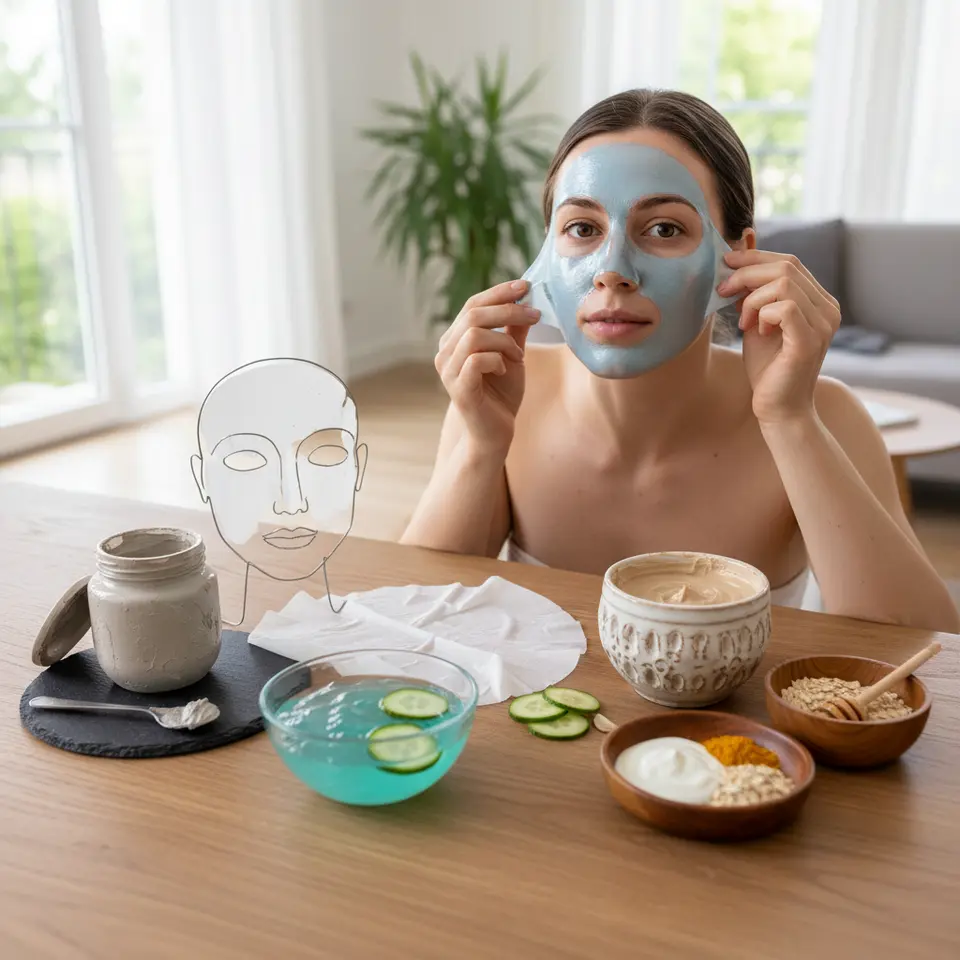
Understanding the variety of mask types available is crucial for selecting the one that aligns with your skin goals. Below, we break down the main categories in detail, highlighting their unique properties and best-use scenarios.
Clay and Charcoal Masks
Clay masks—often formulated with bentonite or kaolin—draw out grime and excess oil by binding impurities. Activated charcoal, prized for its adsorption capacity, complements clay by removing toxins more aggressively. Ideal for oily and acne-prone complexions, these masks should be used 1–2 times per week to prevent over-drying. When applying, spread an even layer across the T-zone and rinse off when the mask begins to crack, avoiding delicate areas around the eyes.
Sheet Masks
Sheet masks are textile pieces soaked in nutrient-rich serums, typically containing hyaluronic acid, niacinamide, and various botanical extracts. They conform to the face’s contours, maximizing contact time and absorption. The average wear time is 15–20 minutes; after removal, gently pat excess serum into the skin and follow with your regular moisturizer. Sheet masks are perfect for a quick hydration boost before a special event or when skin feels tight and dehydrated.
Gel Masks
Gel-based masks deliver a refreshing cooling effect, making them excellent for sensitive, irritated, or sun-exposed skin. Ingredients like aloe vera, green tea, or cucumber extract help calm inflammation and replenish moisture without heaviness. Use these 2–3 times per week or as often as needed to soothe redness and reinforce the skin’s barrier function.
Peel-Off Masks
Peel-off masks form a film that bonds to surface debris and dead cells. When removed, they leave behind smoother-looking skin with instant brightness. However, they can be too intense for dry or fragile skin, so patch-testing is recommended. Limit use to once a week to avoid stripping natural oils.
Cream and Mud Masks
Cream masks, rich in emollients like shea butter or plant oils, deeply nourish parched skin. Mud masks—commonly infused with marine or volcanic mud—combine cleansing with hydration, making them suitable for combination skin types. Both styles help restore suppleness and reinforce lipid barriers when used weekly.
DIY Masks
Natural powders and kitchen staples—such as honey, oatmeal, yogurt, or turmeric—can be blended into personalized treatments. While cost-effective and adaptable, homemade mixtures lack preservatives and may harbor bacteria if stored improperly. Always prepare fresh and apply promptly, avoiding reused batches to maintain hygiene.
Customizing Your Choice by Skin Type
Selecting the most effective face mask requires understanding how each formulation interacts with your unique complexion. Here’s a breakdown of recommended categories based on common skin profiles:
Oily and Acne-Prone Skin
If your skin tends to shine by midday and is susceptible to blackheads or breakouts, masks containing salicylic acid, bentonite clay, or activated charcoal will help regulate sebum production and clear clogged pores. Use 1–2 times weekly, ensuring you do not strip the barrier entirely, which could trigger rebound oiliness.
Dry and Dehydrated Skin
For parched or flaky skin, seek out sheet masks and gel or cream masks rich in hyaluronic acid, ceramides, and fatty acids. These ingredients draw moisture into the skin while sealing it in. Applying hydrating masks 2–4 times per week—or even daily for very dry complexions—can dramatically improve smoothness and comfort.
Combination Skin
When your T-zone is oily but cheeks feel tight, multi-masking is an excellent strategy. Apply a purifying clay mask to the forehead, nose, and chin, then layer a soothing gel or hydrating sheet mask on the cheeks. This targeted approach ensures each area receives the precise treatment it needs without overwhelming the rest of your face.
Sensitive Skin
If your complexion reacts easily to fragrance, irritants, or strong actives, choose fragrance-free gel and cream masks formulated with soothing extracts like aloe, chamomile, or calendula. Always conduct a patch test on your inner wrist or behind your ear before full-face application to confirm compatibility.
Mature and Aging Skin
Masks enriched with peptides, collagen-stimulating compounds, and antioxidant vitamins help reinforce elasticity, diminish fine lines, and brighten the complexion. Use these anti-aging treatments 1–3 times per week, following product instructions closely to maximize firming and revitalizing effects.
Expert Techniques for Effective Mask Application
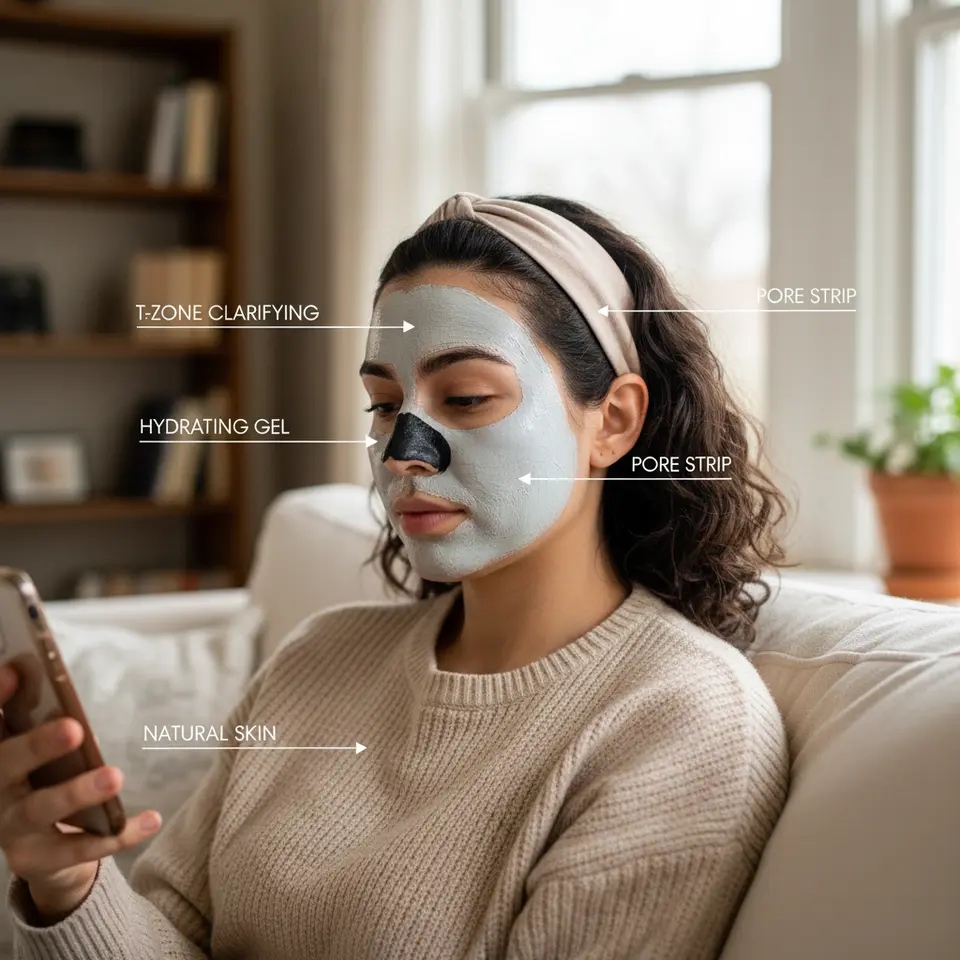
Even the most advanced formula will falter without proper application. To ensure you extract every benefit from your face mask, follow these professional guidelines:
1. Start with a Clean Canvas
Always cleanse thoroughly to remove makeup, sunscreen, and environmental debris. A gentle, pH-balanced cleanser will prepare your skin, allowing active ingredients to penetrate unobstructed.
2. Incorporate Light Exfoliation
Using a mild scrub or enzyme exfoliant once or twice weekly can remove dead cells and enhance mask absorption. Avoid combining multiple harsh treatments in one session to prevent barrier disruption.
3. Apply an Even Layer
Use a mask brush or clean fingertips to distribute the product evenly, keeping a moderate thickness that won’t dry too quickly. Avoid the delicate orbital areas unless the mask explicitly states it’s safe for the eye contour.
4. Observe Recommended Timing
Adhering to the suggested wear time—typically between 10 and 20 minutes—prevents over-drying or irritation. If the mask tightens excessively or causes discomfort, rinse immediately.
5. Rinse or Remove Gently
Use lukewarm water and a soft washcloth for rinse-off varieties. Peel-off and sheet masks should be removed according to their instructions to avoid tugging or redundant friction.
6. Seal in the Benefits
After removing the mask, apply a hydrating toner, targeted serum, and moisturizer to lock in active compounds. This step preserves moisture levels and amplifies overall efficacy.
Optimizing Frequency and Maintenance of Face Masks
Consistency is key when integrating face masks into your regimen. Frequency depends on both the mask’s purpose and your skin’s tolerance:
Deep-Cleansing Masks
Clay, charcoal, and salicylic acid formulas should be used 1–2 times weekly. Overuse can deplete natural oils and cause rebound oiliness or sensitivity.
Hydrating Masks
Sheet, gel, and cream masks can be applied 2–4 times per week, or even daily for extremely dry skin. These treatments help maintain hydration, especially during dry indoor heating or air-conditioned environments.
Exfoliating Masks
Enzyme and peel-off masks should remain in your routine just once every seven days to avoid compromising the moisture barrier.
Targeted Anti-Aging Masks
Collagen-boosting and peptide-infused masks can be used 1–3 times weekly. Always adhere to the product’s dose recommendations to prevent overstimulation.
Storage and Care
- Seal Properly: Close jars and reseal packets to minimize air exposure and contamination.
- Cool, Dark Placement: Store masks in a dry cabinet away from sunlight and heat to preserve potency.
- Monitor Expiry: Discard products that change color, texture, or scent, and note expiration dates.
- Avoid Double-Dipping: Use a clean spatula or disposable tool to maintain hygiene.
FAQ
How often should I use different types of face masks?
The ideal frequency varies by mask. Cleansing clay masks are best 1–2 times per week, hydrating masks 2–4 times weekly, and exfoliating masks once per week. Always follow product guidelines and monitor your skin’s response.
Can I combine multiple masks in one session?
Yes—multi-masking allows you to target distinct areas (e.g., clay on the T-zone, gel on the cheeks). Ensure each mask’s instructions are compatible, and avoid overlapping where skin is more sensitive.
Are DIY masks as effective as commercial ones?
DIY masks can be beneficial for simple hydration or gentle exfoliation, but they lack preservatives and standardized concentrations. Always prepare fresh, patch-test new ingredients, and store minimal amounts to reduce bacterial growth.
What’s the best way to prevent mask-induced irritation?
Patch-test any new product, avoid using multiple strong treatments simultaneously, and follow recommended wear times. If irritation occurs, rinse immediately and give your skin time to recover before reapplying.
Conclusion
In today’s fast-paced world, face masks offer a targeted, science-backed solution to numerous skincare concerns. From purifying clays and charcoal to hydrating gels and nourishing creams, there’s a mask tailored for every complexion and goal. By selecting the right formulation, mastering application techniques, and maintaining a consistent schedule, you can unlock a radiant, healthier complexion this year (2026). Embrace these treatments as part of your self-care ritual, and you’ll soon experience the transformative benefits of well-chosen face masks. Ready to elevate your skincare routine? Choose your next mask wisely and enjoy the journey to glowing, balanced skin.
