
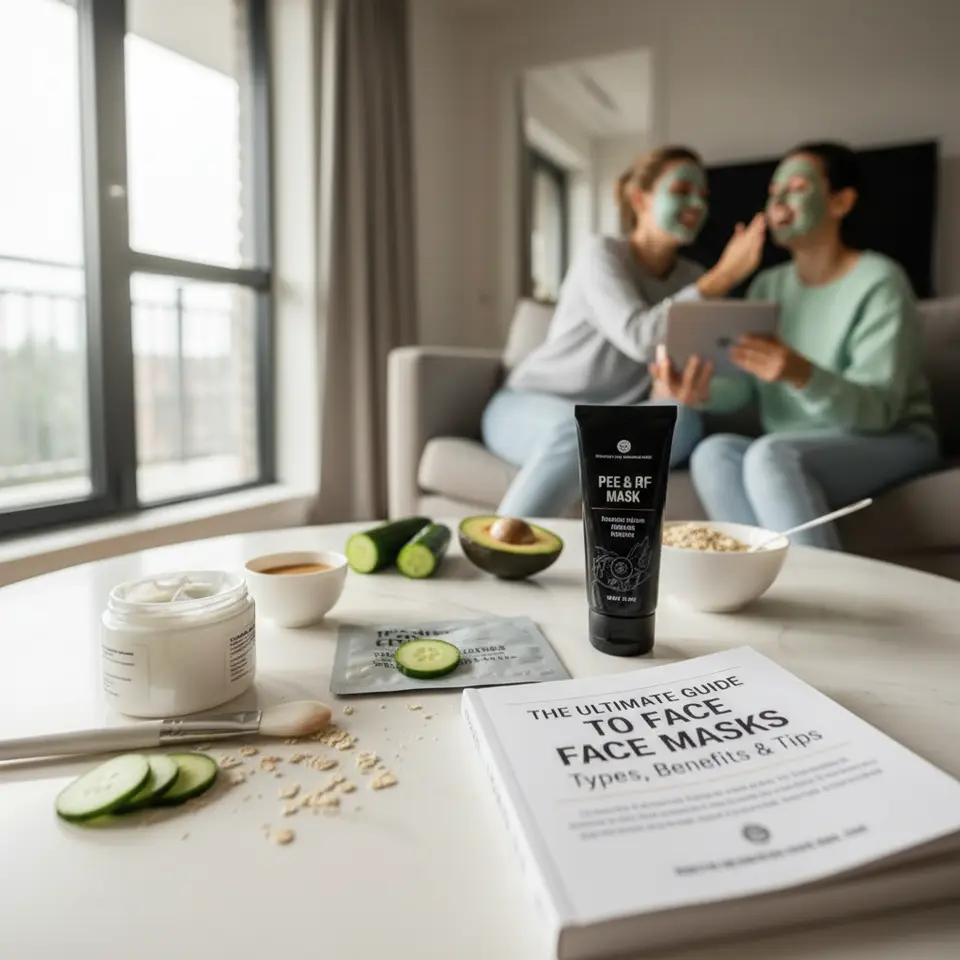
In today’s digital landscape, integrating targeted skincare treatments has never been more popular. This year (2026), face masks stand out as a versatile tool for delivering potent ingredients deep into the skin. From alleviating dryness and soothing inflammation to refining texture and enhancing radiance, well-formulated face masks address a spectrum of concerns rapidly and effectively. Unlike everyday cleansers or moisturizers, these products bring concentrated actives directly to problem areas, making them an essential step for individuals seeking noticeable improvements without invasive procedures.
With so many options on the market, understanding how face masks work and which formulas suit your needs is key to unlocking their full potential. Whether you are new to in-home spa treatments or refining an established routine, this comprehensive guide will provide actionable insights. We will delve into the science behind mask technologies, break down popular categories according to skin type, share step-by-step application techniques, and highlight expert recommendations to maximize results. By the end of this guide, you will feel empowered to choose, apply, and store your face masks with confidence, transforming your bathroom into a personal skincare sanctuary.
The Science Behind Face Masks

Face masks are formulated with a higher concentration of active ingredients than typical daily care products. Their thicker textures or advanced delivery systems allow key compounds—such as vitamins, antioxidants, and exfoliating agents—to remain in contact with the skin surface longer. This prolonged exposure encourages deeper penetration through the epidermal barrier, targeting cells that regulate hydration, renewal, and collagen production. Unlike serum applications that may dissipate quickly, a well-designed mask ensures ingredients remain undisturbed, leading to more dramatic outcomes.
Deep Penetration of Active Ingredients
Whether suspended in a gel, cream, or powder base, each face mask format uses distinct carriers that facilitate ingredient absorption. For instance, hydrophilic gels help water-loving molecules like hyaluronic acid penetrate the skin’s outer layer, while oil-based pastes assist lipid-soluble vitamins such as vitamin E. Many research institutions, including findings published on PubMed, confirm that these vehicle systems increase bioavailability of actives compared with traditional lotions.
Key Benefits of Consistent Use
Regular incorporation of face masks can yield cumulative effects. Most people notice improved texture within a few weeks when using formulas tailored to their concerns. Enhanced hydration profiles, minimized pore appearance, and balanced oil production are among the top documented benefits. Moreover, masks designed with calming botanicals or peptides can support the skin’s natural repair processes, reducing visible stress markers such as redness or fine lines over time.
Exploring Popular Categories of Face Masks
Clay Masks
Clay-based masks, featuring kaolin or bentonite, excel at absorbing excess oil and drawing out impurities. Their finely milled particles create a light exfoliation effect while tightening the complexion. Ideal for combination to oily skin, these masks reveal a smoother surface and less noticeable shine when used one to two times per week.
Sheet Masks
Sheet masks have surged in popularity due to their mess-free application and immediate soothing sensation. Pre-soaked with serums rich in hyaluronic acid, antioxidants, or botanical extracts, these fabric or bio-cellulose sheets ensure uniform delivery across the face. They’re perfect for sensitive or dehydrated skin types seeking a quick moisture boost.
Cream Masks
Emollient-rich cream masks often contain nourishing oils, butters, and humectants. Their thicker consistency allows for an occlusive layer that locks in hydration, making them a go-to choice for mature or very dry skin. After 15 to 20 minutes of leave-on time, you can expect a noticeably plumper, softer texture.
Exfoliating Masks
Utilizing alpha-hydroxy acids (AHAs), beta-hydroxy acids (BHAs), or natural enzymes, exfoliating masks gently dissolve dead skin cells, revealing a brighter, more even surface. It’s best to limit their use to once a week to prevent over-exfoliation and maintain the integrity of the skin barrier.
Matching Face Masks to Your Skin Profile
Evaluating your skin’s specific needs is the first step in selecting an effective mask. Different formulas offer distinct advantages depending on whether you struggle with excess oil, sensitivity, dryness, or early signs of aging. Taking time to identify primary concerns will help you curate a ritual that transforms rather than irritates.
Oily and Acne-Prone Skin
For those battling breakouts or persistent shine, look for clay or charcoal-infused face masks. Ingredients like salicylic acid can penetrate congested pores and reduce bacteria that contribute to blemishes. A weekly application helps maintain clarity and balance.
Dry and Dehydrated Complexions
Hydration-focused sheet and cream masks formulated with hyaluronic acid, glycerin, or ceramides deliver immediate moisture replenishment. Richer textures support the skin’s lipid layer, preventing trans-epidermal water loss and leaving a supple, dewy finish.
Sensitive or Reactive Skin
Gentle face masks containing soothing components—such as aloe vera, oat extracts, or centella asiatica—minimize the risk of irritation. Fragrance-free and hypoallergenic formulations can calm redness, strengthen resilience, and reduce discomfort.
Mature and Aging Areas
Look for peptide-enriched or collagen-boosting masks designed to firm and plump aging skin. Vitamin C derivatives support radiance while targeted peptides encourage the production and strengthening of structural proteins like collagen and elastin.
Optimal Application, Timing, and Storage Strategies
Proper technique and timing ensure you extract the maximum benefit from every mask. Additionally, how you store your products impacts both their safety and the potency of active ingredients. Following a few simple guidelines will elevate your at-home spa experience.
Step-by-Step Application Guide
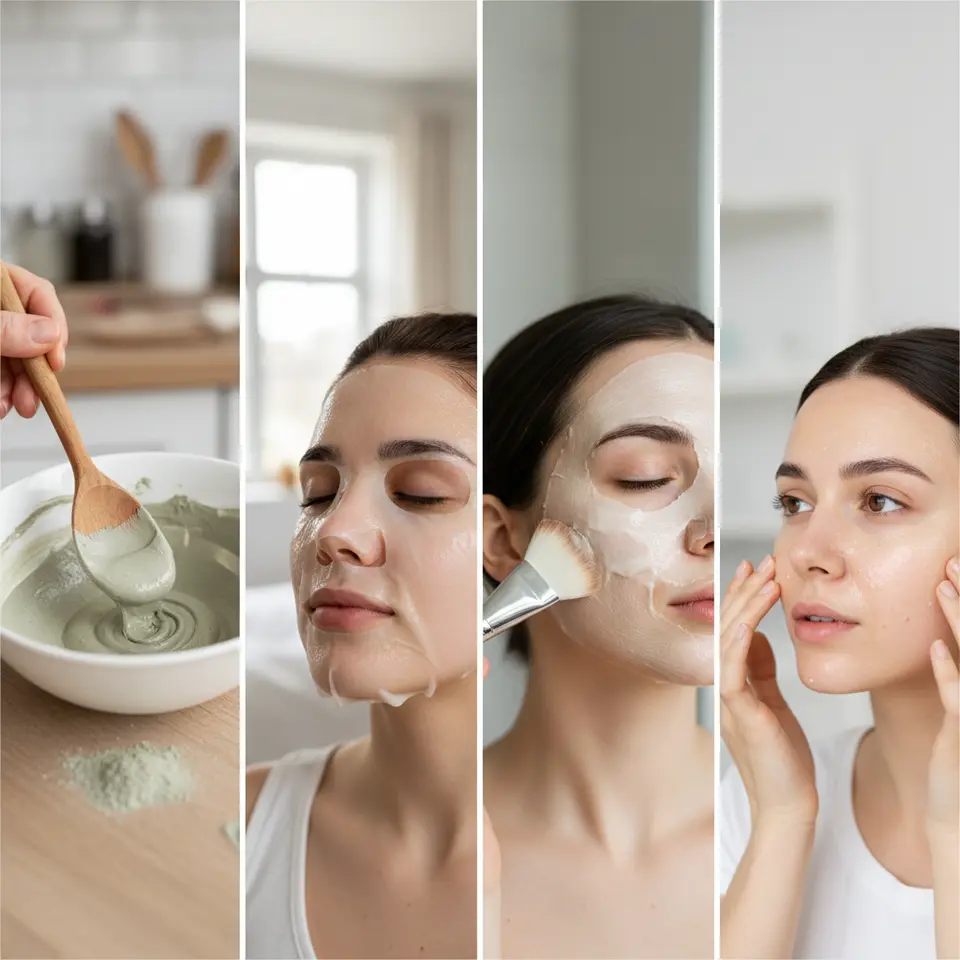
Begin by cleansing with a gentle, pH-balanced face wash. Gently pat your skin dry with a soft towel. Using clean fingers or a dedicated brush, apply an even layer of face mask, avoiding the eye and lip areas unless the product is specifically formulated for those zones. Let it rest for the time indicated on the packaging—usually between 10 and 20 minutes.
Timing Best Practices
Resist the urge to extend wear time beyond recommendations; doing so may cause dehydration or sensitivity. Set a timer to remove the mask precisely when its active window ends. For exfoliating masks, a shorter window can prevent over-stripping of natural oils.
Storing for Longevity
Keep your face masks in a cool, shaded area away from direct sunlight to preserve efficacy. Most unopened masks maintain full potency for six to twelve months; note the PAO symbol (for example, 12M) for guidance. Once opened, aim to finish the product within three to six months to avoid microbial contamination.
For detailed cosmetic safety guidelines, refer to resources from the FDA.
Common Pitfalls and Pro Tips for Maximum Effect
Even the best face masks can underperform if misused. By steering clear of frequent missteps and incorporating advanced strategies recommended by skincare professionals, you can ensure every treatment delivers visible enhancements.
Avoid Overuse and Overexposure
Using face masks too frequently or leaving them on beyond the advised duration can compromise your skin’s natural defenses. Limit sessions to one or two times per week and strictly adhere to the recommended contact time.
Perform Patch Tests
Introducing new active compounds without a patch test can lead to unexpected irritation. Before full-face application, test the formula on a small area—such as the jawline—and wait 24 hours to confirm compatibility.
Enhance Results with Complementary Steps
Dermatologists suggest steaming the face for two to three minutes prior to mask application to gently open pores. After rinsing, seal in benefits with a targeted serum and a lightweight moisturizer. Learn more about advanced protocols from the Mayo Clinic.
Rotate Formulas for Balanced Care
Alternating hydrating and exfoliating masks on a weekly basis helps maintain equilibrium. For instance, start the week with a soothing cream mask, midweek apply an exfoliating formula, and conclude with a hydrating sheet mask to support skin resilience.
FAQ
How often should I use a face mask?
Most dermatologists recommend using a mask one to two times per week, depending on your skin type and the product’s active ingredients. Exfoliating masks are best limited to once weekly, while hydrating or calming masks can be used more frequently.
Can I layer different masks in one session?
Yes—known as multi-masking, this involves applying different masks to specific areas (e.g., clay mask on the T-zone, cream mask on the cheeks). Ensure each mask’s recommended wear time is observed to avoid irritation.
What’s the best way to store my face masks?
Store unopened masks in a cool, shaded cabinet away from direct sunlight. After opening, replace caps or seals securely and aim to finish the product within three to six months to maintain efficacy and safety.
Are sheet masks suitable for sensitive skin?
Many sheet masks are formulated for sensitive skin, especially those made from bio-cellulose or cotton and infused with soothing ingredients like aloe vera, chamomile, or oat extract. Always opt for fragrance-free, hypoallergenic options and perform a patch test before full application.
Conclusion
Face masks offer a powerful, yet simple, approach to advancing your skincare objectives. By understanding the unique mechanisms behind each mask category and aligning them with your personal skin profile, you can achieve targeted improvements from hydration and radiance to pore refinement and anti-aging benefits. Remember to follow proper application steps, store your products carefully, and avoid overuse to preserve the health of your skin barrier.
In today’s fast-moving world, dedicating a brief window for self-care through a specialized mask treatment can be both restorative and effective. Experiment with different formulas to discover your ideal ritual, and incorporate these practices consistently this year (2026) for lasting results. Your journey to a more luminous, balanced complexion starts now.
