
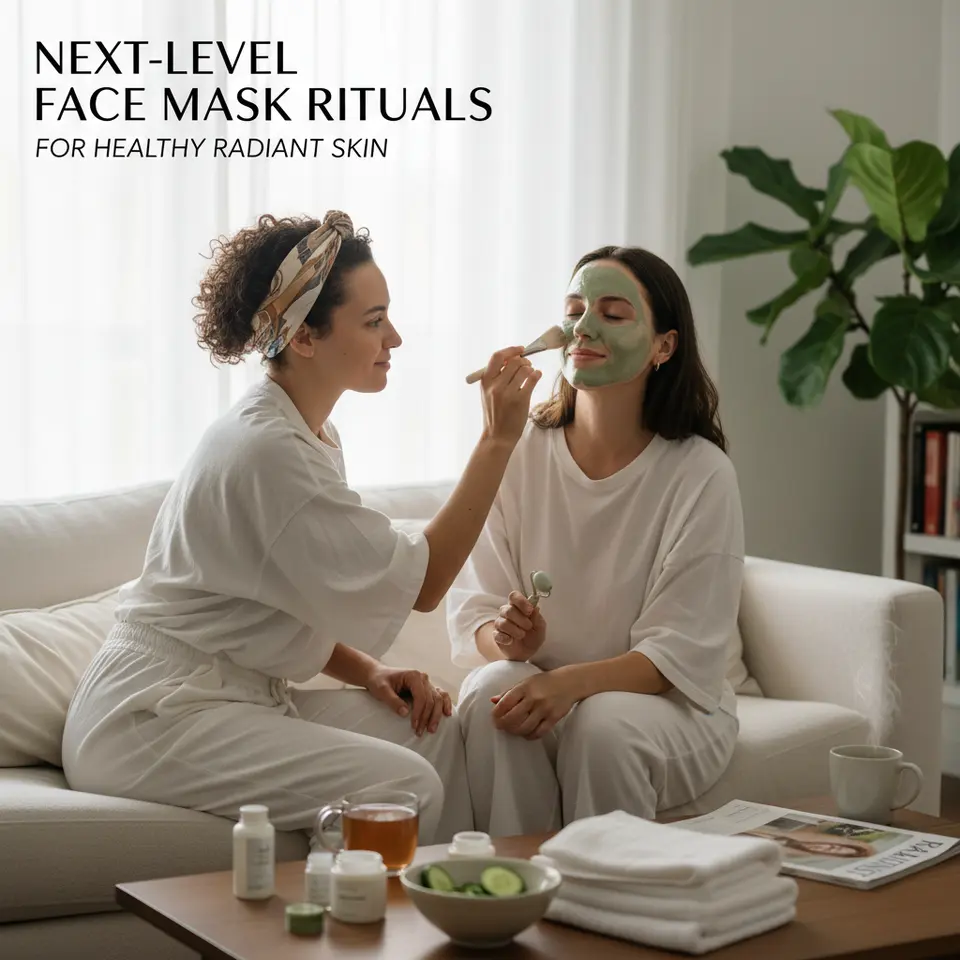
In today’s digital landscape, the search for skincare solutions that deliver tangible results has never been more intense. Amid countless trends and endless product launches, face mask rituals have emerged as a cornerstone of at-home spa experiences, empowering individuals to nurture their skin with targeted treatments. By design, a well-orchestrated face mask ritual can transform routine skincare into a deliberate self-care ceremony, combining potent ingredients, intentional application methods, and restorative downtime. As skincare enthusiasts become more knowledgeable, they are seeking comprehensive routines that blend scientific research, artisanal DIY formulations, and professional techniques to achieve a flawless, radiant complexion. This year (2026), understanding the underlying mechanisms of active ingredients, customizing blends to specific skin concerns, and mastering application protocols has become essential for anyone committed to healthy, luminous skin. In this extensive guide, we explore the science that drives efficacy, reveal bespoke recipes for hands-on customization, and outline step-by-step approaches that elevate everyday mask usage into next-level face mask rituals. Whether you aim to diminish fine lines, unclog congested pores, or boost hydration, our expert-backed insights will help you integrate mask ceremonies that yield visible, long-lasting improvements.
The Science Behind Advanced Ingredients
When it comes to face mask rituals, the selection of ingredients is the driving force behind effectiveness. Each component brings unique properties to the table, and combining them strategically maximizes skin benefits. Hyaluronic acid, for instance, is a superstar humectant renowned for its ability to attract and hold up to 1,000 times its weight in water. Research published on the National Center for Biotechnology Information (NCBI) highlights its critical role in maintaining skin hydration and barrier function (NCBI). Niacinamide, another staple, has been shown in clinical trials to regulate sebum production, reduce inflammation, and strengthen the skin’s protective barrier. According to guidelines from the American Academy of Dermatology (AAD), niacinamide concentrations between 2% and 5% deliver optimal results without irritation.
Exfoliating acids such as AHAs and BHAs constitute the backbone of most professional-grade masks. Glycolic acid and lactic acid accelerate cell turnover, slough away dead skin cells, and reveal a brighter, more even tone, while salicylic acid penetrates pores to dissolve oil and debris, making it indispensable for acne-prone skin. Meanwhile, antioxidant-rich vitamin C neutralizes free radicals, supports collagen synthesis, and enhances luminosity. Collagen peptides and botanical extracts further reinforce structural integrity, improving firmness and minimizing the appearance of fine lines. Clay varieties like kaolin and bentonite absorb excess oil, drawing out impurities and purifying the complexion. Activated charcoal, with its porous surface, acts as a magnet for environmental pollutants, making it a go-to for deep-cleansing formulations.
Modern face mask rituals leverage these ingredients in concert, creating synergistic blends that address multiple concerns in a single application. By understanding the mechanisms of each active constituent, practitioners can fine-tune masks to their individual needs, ensuring targeted results while reducing the risk of overexfoliation or irritation. This scientific approach forms the foundation of any effective face mask ritual and sets the stage for advanced customization and precise performance.
Crafting Personalized DIY Face Mask Formulations
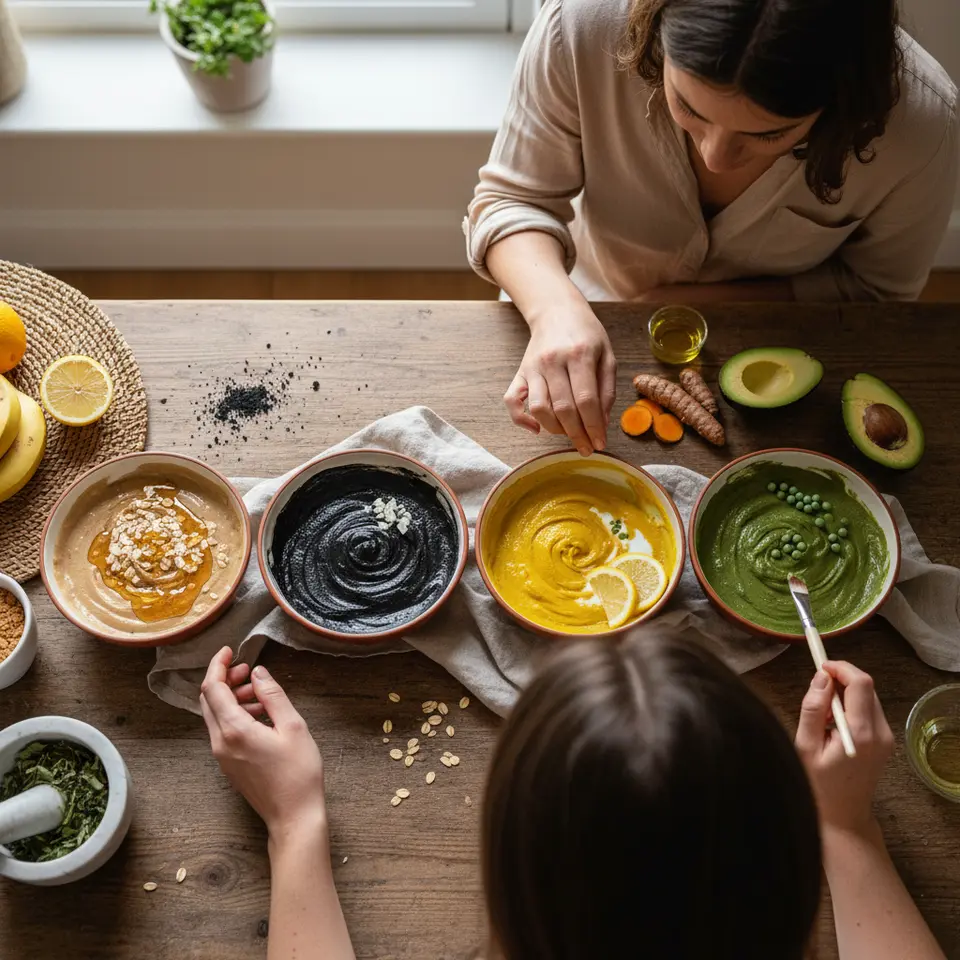
One of the most empowering aspects of face mask rituals is the ability to create bespoke treatments at home. DIY formulations allow you to tailor concentrations, textures, and ingredient combinations to your skin’s ever-changing requirements. Before diving in, always conduct a patch test on the inner forearm or along the jawline to gauge tolerance, especially when working with potent actives.
Hydrating Honey & Oat Blend
For skin craving moisture and gentle exfoliation, this mask offers a soothing, slip-rich texture. Combine 2 tablespoons of finely ground oats with 1 tablespoon of raw honey and 1 teaspoon of hyaluronic acid serum. Add a few drops of rose water to achieve a spreadable consistency. Oats contain avenanthramides that calm inflammation, while honey’s natural humectant properties attract moisture. Hyaluronic acid enhances hydration depth, and rose water imparts a calming, aromatic boost.
Purifying Charcoal & Clay Fusion
Ideal for congested or oily complexions, blend 1 teaspoon of activated charcoal powder with 1 tablespoon of kaolin clay and a splash of aloe vera gel. Mix until you achieve a smooth paste, ensuring even dispersion of charcoal’s adsorbent granules. The kaolin clay works to pull excess sebum and toxins from pores, while aloe vera soothes any potential redness and provides a lightweight barrier of moisture.
Brightening Turmeric & Yogurt Treatment
To fade dark spots and even out tone, whisk together 1 teaspoon of turmeric powder, 2 tablespoons of plain Greek yogurt, and 1 teaspoon of fresh lemon juice. Yogurt’s lactic acid gently exfoliates, turmeric offers anti-inflammatory and antioxidant benefits, and citrus delivers a dose of vitamin C for radiance. Exercise caution around the eyes, and rinse thoroughly to prevent temporary yellow staining.
Firming Avocado & Peptide Intensive
For mature or lackluster skin, combine half of a ripe avocado with 1 teaspoon of collagen peptide powder and a few drops of jojoba oil. Mash until creamy, then apply across clean, dry skin. Rich in monounsaturated fats and proteins, avocado nourishes deeply, while peptides support the extracellular matrix, improving bounce and minimizing fine lines.
By experimenting with these DIY foundations, practitioners can adjust ingredient ratios or swap components to suit specific concerns. Incorporating botanical extracts, essential oils, or specialized actives allows for endless personalization. Above all, precision in measurement and attention to texture will ensure consistent, effective face mask rituals.
Step-by-Step Guide to an Effective Face Mask Ritual
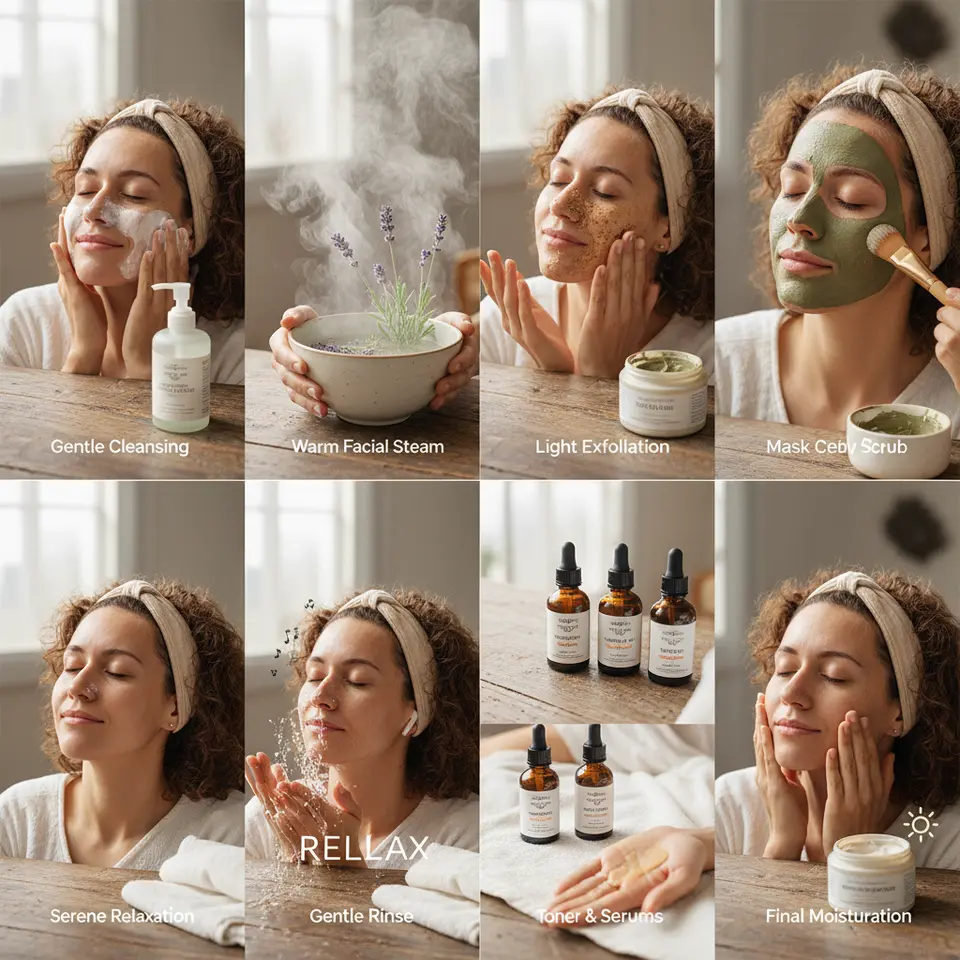
Transitioning from DIY recipes to a full-fledged face mask ritual requires thoughtful sequencing. Each step builds upon the previous one, optimizing absorption and creating a sensory-rich experience that feels as indulgent as a professional spa session.
1. Deep Cleansing Prep
Begin today with a gentle, pH-balanced cleanser to eliminate surface debris, makeup, and excess oil. Ensuring a clean canvas allows subsequent ingredients to penetrate without obstruction. For a deeper approach, consider double-cleansing by following with an oil-based formula to dissolve stubborn impurities.
2. Warm Steam Activation (Optional)
Inhale the warmth of a facial steam for 3–5 minutes, tilting your head slightly to avoid direct heat. The steam gently opens pores, softens sebum, and primes the skin for deeper ingredient delivery. This step is particularly beneficial in cooler or drier environments, where pores may remain constricted.
3. Exfoliation Enhancement
Apply a mild exfoliant—either physical granules like jojoba beads or a chemical peel containing AHAs/BHAs—to slough away dead cells. This prepares the epidermis for uniform mask application and prevents patchy absorption. Exercise caution not to over-exfoliate, especially if your mask already contains acids.
4. Mask Application Technique
Using a sanitized brush or spatula, spread a uniform layer of your chosen mask, focusing on targeted zones. Avoid delicate areas like eyelids and the corners of the mouth. Timing is crucial: adhere to the recommended duration—usually 10–20 minutes—to prevent drying or irritation.
5. Mindful Relaxation
Once applied, lie down and indulge in a moment of calm. Practice deep breathing, play soothing music, or engage in a brief meditation to amplify the ritualistic aspect. This mindful pause enhances both emotional well-being and skincare efficacy.
6. Gentle Removal
Rinse the mask away with lukewarm water, using gentle circular motions to stimulate microcirculation. For cream-based masks, a soft cotton cloth may assist in removal. Pat the skin dry with a clean towel to preserve moisture.
7. Toner & Treatment Layering
Apply a hydrating, alcohol-free toner to rebalance pH levels, then follow with targeted serums—such as vitamin C for radiance or peptides for firmness. This layered approach, from thinnest to thickest consistency, ensures optimal penetration of actives.
8. Final Moisturization & Sun Protection
Lock in hydration with a nourishing moisturizer appropriate for your skin type. If performing your face mask ritual during daytime, finish with a broad-spectrum SPF 30 or higher to guard against UV-induced damage on freshly treated skin.
By adhering to this systematic protocol, you transform ordinary mask application into a comprehensive face mask ritual that promotes lasting results and invites moments of peaceful self-care.
Tailored Mask Strategies for Different Skin Types
No two complexions are identical, and customizing mask rituals according to specific skin characteristics is essential for balanced, healthy results. Below are targeted recommendations for the most common skin categories.
Oily & Acne-Prone Skin
Individuals dealing with excess sebum and breakouts benefit from clays and charcoal masks 1–2 times per week. These absorbent bases draw impurities out of pores, reduce shine, and minimize bacterial build-up when combined with clarifying actives like salicylic acid or tea tree oil. Follow up with a lightweight, non-comedogenic moisturizer and an antioxidant serum to prevent over-drying.
Dry & Dehydrated Skin
For parched complexions, opt for masks rich in emollients such as honey, yogurt, and natural oils 2–3 times weekly. Incorporating humectants like hyaluronic acid and glycerin enhances moisture retention, while ceramides support barrier repair. Avoid masks containing strong clays or high concentrations of exfoliating acids, which can exacerbate dryness.
Sensitive & Rosacea-Prone Skin
Gentle, calming rituals are paramount for skin prone to irritation and redness. Mask formulations featuring colloidal oatmeal, aloe vera, and chamomile extract help soothe inflammatory responses. Limit exfoliating acids to very low strengths and restrict mask use to once weekly to prevent flare-ups.
Mature & Dull Skin
Aging or lackluster skin thrives on nutrient-dense masks infused with collagen peptides, vitamin C derivatives, and mild AHAs like lactic acid. These ingredients collectively support collagen synthesis, improve elasticity, and encourage surface renewal for a more vibrant complexion. Rotate between hydrating and brightening masks 2–3 times per week.
Combination Skin
Multi-masking is particularly effective for combination skin, where different zones require different treatments. Apply oil-absorbing clay on the T-zone, a hydrating gel mask across the cheeks, and a soothing sheet mask on sensitive areas. This zoning technique ensures each region receives customized care in a single session.
By aligning your mask selection and frequency with specific skin needs, you will optimize outcomes and reduce the risk of adverse reactions. Adjust rituals seasonally to account for environmental shifts and lifestyle changes.
Pro Tips and Common Mistakes in Face Mask Rituals
Elevating your face mask rituals involves more than selecting the right ingredients; it demands attention to detail and awareness of pitfalls that can undermine results.
Pro Tip 1: Temperature Control
Storing gel or clay-based masks in the refrigerator provides a cooling sensation upon application. The cold temperature constricts blood vessels, instantly reducing puffiness and soothing inflammation, particularly around the eye area.
Pro Tip 2: Strategic Layering
After mask removal, apply products from thinnest to thickest to optimize absorption. Start with lightweight essences or serums, followed by richer creams or oils. This method ensures each layer penetrates effectively and locks in hydration.
Pro Tip 3: Consistent Scheduling
Most skin types benefit from one to three mask sessions per week. Overmasking can strip essential lipids, resulting in irritation or compensatory oil production. Choose days that fit your routine to maintain consistency and track results.
Common Mistake 1: Extended Wear Time
Leaving masks on beyond recommended durations can lead to excessive dryness or ingredient breakdown, reducing efficacy. Adhere strictly to timing guidelines to preserve skin balance and active potency.
Common Mistake 2: Neglecting Patch Tests
Skipping a patch test for new or potent DIY formulas puts skin at risk of allergic reactions or sensitization. Always apply a small amount to a non-critical area and wait 24 hours before full-face application.
Common Mistake 3: One-Size-Fits-All Approach
Using the same mask formula year-round overlooks seasonal fluctuations in temperature, humidity, and skin behavior. Adjust your mask ingredients and frequency based on environmental conditions and personal lifestyle changes.
By integrating these pro tips and avoiding frequent blunders, your face mask rituals will achieve peak performance, delivering measurable improvements and nurturing a spa-worthy experience at home.
Frequently Asked Questions
How often should I perform a face mask ritual?
For most skin types, one to three mask sessions per week strike the right balance between efficacy and skin health. Adjust frequency based on your skin’s tolerance and the potency of the ingredients used.
Can I layer multiple masks in one session?
Yes. Multi-masking allows you to treat different zones with specific formulations—such as clay on the T-zone and hydrating gel on the cheeks—ensuring each area receives targeted care.
Are DIY masks safe for sensitive skin?
DIY formulations can be tailored to sensitive skin by choosing calming, low-strength ingredients like colloidal oatmeal, aloe vera, and chamomile. Always perform a patch test and avoid harsh exfoliants or high acid concentrations.
Conclusion
In this comprehensive exploration of face mask rituals, we’ve delved into the science of active ingredients, shared expert-crafted DIY formulations, and outlined a meticulous application protocol designed for maximum benefit in today’s fast-paced environment. By tailoring masks to specific skin types, incorporating advanced layering techniques, and adhering to mindful scheduling, you can transform simple treatments into powerful self-care ceremonies. Remember, consistency and customization are key: listen to your skin’s feedback, adjust formulations according to seasonal shifts, and embrace each mask session as an opportunity for both skin renewal and mental rejuvenation. With the insights and protocols presented here, you’re well-equipped to elevate your skincare regimen, unlock the true potential of face mask rituals, and reveal a more radiant, balanced complexion this year (2026).
