


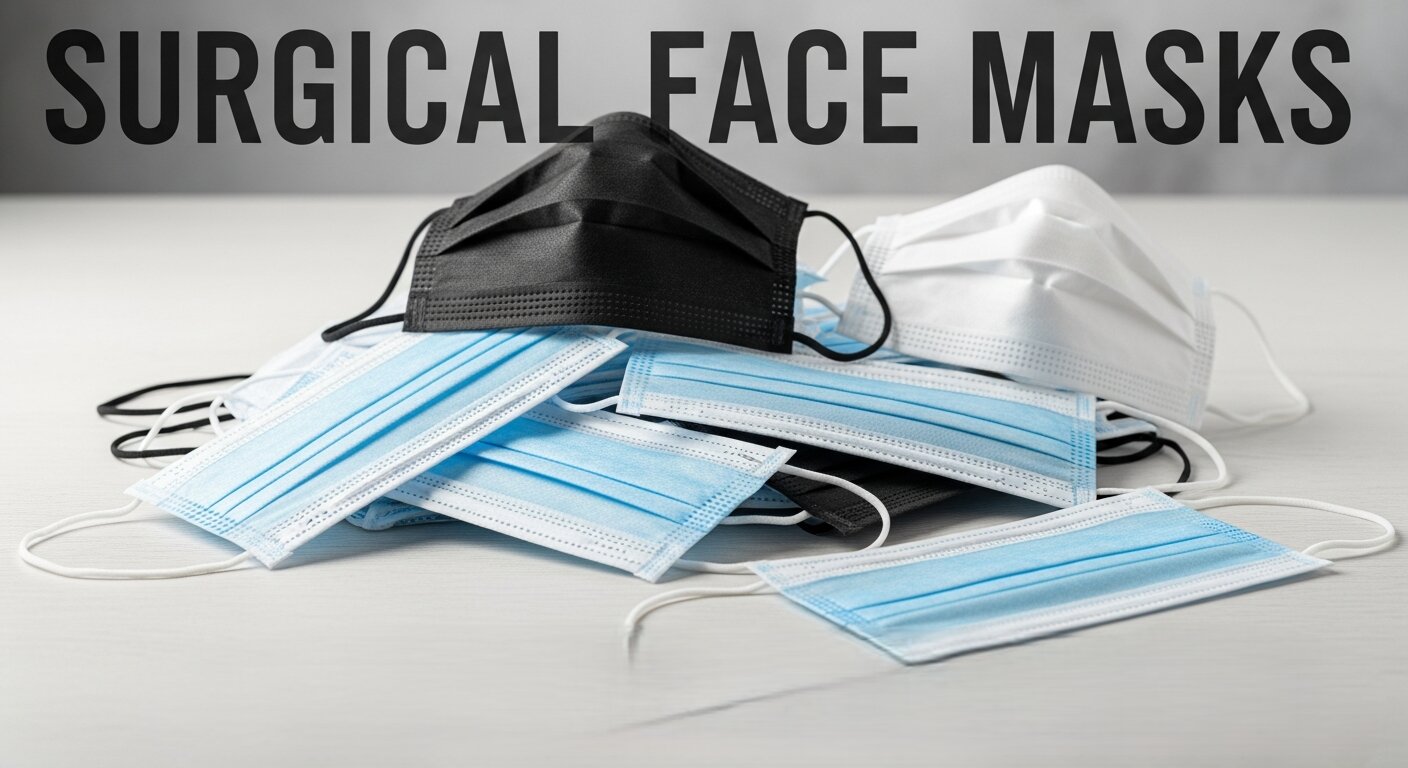
Protecting yourself and those around you is more vital than ever. Understanding surgical face masks empowers you to choose the optimal protection whether you’re navigating daily life or working in specialized medical settings. This in-depth guide will teach you not just what mask to wear, but how and why, equipping you to make sound decisions every time you reach for a mask.
This comprehensive guide provides a complete overview of medical-grade protection masks. You’ll find detailed explanations of mask types, materials, and filtration levels, along with expert-backed tips on usage, storage, and selection criteria. We also break down common mistakes, offer comparisons, and deliver actionable steps to upgrade your respiratory safety and healthcare hygiene.
What Are Surgical Face Masks?
Surgical face masks are more than simple layers of fabric—they’re proven tools that play a pivotal role in infection prevention. These masks serve as efficient barriers, safeguarding wearers from exposure to large respiratory droplets, splashes, sprays, and bodily fluids that may contain harmful pathogens. They’re engineered to protect both patients and medical staff in clinical environments, but also provide valuable defense for anyone in crowded or high-risk public spaces.
It’s essential to differentiate between certified surgical face masks and basic fabric face coverings. While homemade or cloth masks offer some level of source control in the community, only regulatory-approved surgical face masks undergo standardized testing to ensure consistent performance in high-risk environments.
Regulatory Approval and Testing
Institutions like the Food and Drug Administration (FDA) and the Centers for Disease Control and Prevention (CDC) evaluate these masks on criteria such as:
- Fluid resistance
- Bacterial and particulate filtration efficiency
- Differential pressure (breathability)
- Flammability
By choosing certified surgical face masks, you’re relying on layers of quality control, research, and rigorous testing—an essential standard for anyone seeking dependable infection prevention.
The Anatomy of Medical-Grade Protection
Medical face masks have a thoughtfully engineered, multi-layered construction. At minimum, a high-quality surgical mask consists of:
- Outer Layer: Typically water-repellent, this barrier blocks external moisture, blood, and other contaminants.
- Middle Layer: Usually formed from melt-blown polypropylene, this critical layer acts as a sophisticated filter, trapping microscopic droplets and bacteria.
- Inner Layer: Comfortable and moisture-absorbing, this layer keeps the face dry and improves wearability for extended periods.
Some premium masks also include additional filter layers or soft edges, further enhancing both protection and comfort.
This trilaminate or triple-ply design delivers reliable two-way protection—minimizing risk for both wearers and those nearby. In infection control best practices, such robust construction is non-negotiable.
Types of Surgical Face Masks

Surgical face masks are not one-size-fits-all. Understanding the differences can help you match the mask to your specific needs—whether you’re a healthcare provider, essential worker, student, or member of a vulnerable population.
Earloop Masks
- Design: Loops fit over the ears for quick donning and doffing.
- Usage: Most popular for general patient care and community use due to their simplicity and comfort.
Tie-On Masks
- Design: Fabric ties fasten behind the head, creating a more secure fit.
- Usage: Often chosen for longer procedures or in settings where a stable, gap-free seal is critical.
High-Performance ASTM-Rated Masks
- Design: Enhanced materials, sometimes with anti-fog panels and higher filtration rates.
- Usage: Required for surgical or high-fluid environments such as the operating room or dental surgery.
Pediatric Masks
- Design: Specially sized to fit children’s faces.
- Usage: Provides appropriate protection for younger users without gaps.
Understanding ASTM Ratings for Surgical Face Masks
Not every mask labeled “surgical” offers the same quality of protection. The American Society for Testing and Materials (ASTM) developed a performance standard to guide reliable selection. This rating system, adopted internationally, breaks masks into three main categories:
ASTM Level 1: Low Fluid Resistance
- Intended for: Low-risk, general environments with minimal exposure to fluids.
- Filtration: Sufficient bacterial and particulate protection for basic exams and routine care.
- Breathability: Maximum comfort due to less dense filtration layers.
ASTM Level 2: Moderate Fluid Resistance
- Intended for: Moderate-risk environments with a higher chance of splashes.
- Filtration: Enhanced bacterial/particulate performance while maintaining comfort.
- Typical settings: Dental offices, outpatient medical procedures, and laboratory work.
ASTM Level 3: High Fluid Resistance
- Intended for: High-risk environments such as trauma cases, major surgery, or direct fluid exposure.
- Filtration: Maximum performance in both fluid resistance and filtration efficiency.
- Essential for: Surgeons, operating room staff, and frontline workers facing intense fluid exposure.
Comparison Table: ASTM Level Classifications
|
Feature |
ASTM Level 1 |
ASTM Level 2 |
ASTM Level 3 |
|---|---|---|---|
|
Fluid Resistance (mmHg) |
80 |
120 |
160 |
|
BFE (Bacterial Filtration) |
≥ 95% |
≥ 98% |
≥ 98% |
|
PFE (Particulate Filtration) |
≥ 95% |
≥ 98% |
≥ 98% |
|
Breathability (mm H2O/cm²) |
< 4.0 |
< 5.0 |
< 5.0 |
|
Ideal Use Case |
Exams, low-risk |
Moderate exposure |
High fluid/trauma |
Mini-Conclusion: Selecting the correct ASTM level ensures that your surgical face masks offer appropriate protection for your environment—a critical decision for both healthcare and public settings.
Key Benefits of Using Surgical Face Masks

Surgical face masks aren’t just regulatory requirements—they offer practical, sometimes life-saving benefits. Here’s why investing in quality is worth it:
Proven Pathogen Blocking
Properly worn surgical face masks efficiently capture droplets expelled during talking, coughing, or sneezing. This “source control” reduces the risk of transmitting illnesses such as the flu, COVID-19, and even certain bacterial infections. Throughout recent global health crises, barrier protection has consistently proven to slow the spread of respiratory diseases.
Protecting the Wearer and Others
Masks perform double duty. They shield the user from harmful droplets while preventing carriers (including asymptomatic individuals) from releasing germs into shared spaces. This mutual protection is a cornerstone of community health strategies and has been echoed by public health authorities.
Enhanced Comfort and Long-Term Wearability
The best surgical masks balance protection with comfort. The pleated structure and soft elastic earloops ensure they fit a wide range of faces. High breathability standards mean discomfort is minimized—even during long shifts or busy school days. Some masks also incorporate anti-fog features, safeguarding the comfort of those who wear glasses.
Hypoallergenic and Skin-Friendly Materials
Quality surgical face masks are latex-free and free of fiberglass—a must for reducing skin reactions, especially in those with allergies or eczema. Look for masks labeled “hypoallergenic” if you have sensitive skin.
Cost-Effective Public Health Tool
Widespread usage of surgical masks is a scalable, affordable solution for reducing outbreaks in both high- and low-resource settings. Their widespread adoption in healthcare, schools, and public transit demonstrates their versatility beyond hospital walls.
How to Choose the Right Mask: Buyer’s Guide
Knowing the subtleties of mask design and certification is only part of the equation. The following tips help you navigate the marketplace for your ideal mask:
- Check Certification: Only buy products with clear ASTM, FDA, or EN 14683 certifications.
- Assess Construction: Inspect for a three-layer build with melt-blown middle filtration.
- Size and Fit: Choose between earloop or tie-back models for your comfort.
- Usage Purpose: Match mask level to your activity—routine care, intensive surgery, school attendance, or travel.
- Manufacturing Date: Ensure freshness as filtration declines over time.
When in doubt, consult providers and review reputable comparison guides. For related insights, see [Disposable Masks: Pros and Cons], which provides an in-depth look at single-use mask performance.
Proper Usage: Step-by-Step Guidance
Even the best-designed mask can offer poor protection if not worn properly. Here’s how to optimize your defense:
- Hand Hygiene: Wash thoroughly before and after handling the mask.
- Mask Inspection: Reject any products that show visible damage or contamination.
- Correct Orientation: The colored or patterned side faces out, the white side touches your face.
- Fit Testing: Mold the wire tightly to the nose and stretch the mask to cover both nose and chin.
- No Gaps: Use knot-and-tuck methods or mask fitters for improved seal.
- During Use: Avoid touching the mask surface. Replace if it becomes damp or soiled.
- Proper Removal: Remove from the straps or ties, never by the front, and wash hands immediately after.
Visual Resources: The CDC’s mask guidance offers detailed diagrams and videos.
Proper Storage and Maintenance
Uniform effectiveness depends on how you store new and unused surgical face masks:
- Keep in the original packaging in a cool, dry, and clean area.
- Avoid extreme heat, direct sunlight, and high moisture, which degrade material strength.
- Do not store loose masks in bags or vehicles where they can be physically damaged or contaminated.
For more on long-term storage of PPE, see [PPE Inventory Management Best Practices].
Common Mistakes to Avoid
Wearing a mask might appear straightforward, but user errors are widespread and can reduce—or even negate—protection. Be aware of these pitfalls:
- Touching or Adjusting Frequently: Each touch can transfer pathogens between hands and the mask.
- Letting Mask Slide Below Nose or Chin: This of course defeats the protective barrier.
- Reusing Disposable Masks: Surgical masks are single-use. Reuse leads to compromised filtration and possible self-contamination.
- Incorrect Fit: Gaps at the cheeks or nose allow air—and pathogens—to enter and exit freely.
- Mixing Mask Types: Don’t combine cloth and surgical face masks; layered masks can lead to moisture retention and discomfort.
Being mindful of these mistakes is especially important in settings where compliance saves lives—think healthcare and food service.
Pro Tips & Expert Insights
Medical staff and infection control experts share these actionable tips for maximizing safety and comfort:
- Knot and Tuck for Better Fit: As outlined earlier, tie knots in the ear loops and tuck in excess fabric to reduce side gaps (refer to CDC visual guide).
- Pairing with Eye Protection: In high-risk settings, combine surgical face masks with face shields or goggles for full spectrum defense.
- Mask Rotation: If possible, rotate new masks daily and discard after use, reducing risk of contamination between surfaces.
- Safe Disposal: Discard used masks in covered bins; do not throw away in open or public spaces where they may spread contaminants.
- Mask for Children: Always select pediatric masks for children, and teach proper hygiene habits early.
Environmental Considerations

Surgical face masks, though invaluable for health, pose unique environmental challenges:
- Material Use: Most are made from non-biodegradable plastics such as polypropylene.
- Recycling Limitations: Conventional recycling programs rarely accept them due to contamination and material type.
- Disposal Practices: Always dispose of in household trash unless a local PPE recycling program exists. Never flush masks down the toilet.
For companies or hospitals seeking solutions, [Sustainable Mask Disposal Solutions] offers more detail on safe and eco-friendly options.
Conclusion
Choosing the right surgical face masks is a crucial step in safeguarding both your own health and that of your community. By learning about ASTM levels, selecting certified products, practicing correct usage, and staying alert to common mistakes, you maximize personal and public protection against airborne diseases and fluid hazards. Whether in the hospital or on public transportation, the right mask—used correctly—makes all the difference. Take the next proactive step: evaluate your current protection, seek certified supplies, and become an advocate for better respiratory hygiene today.
