


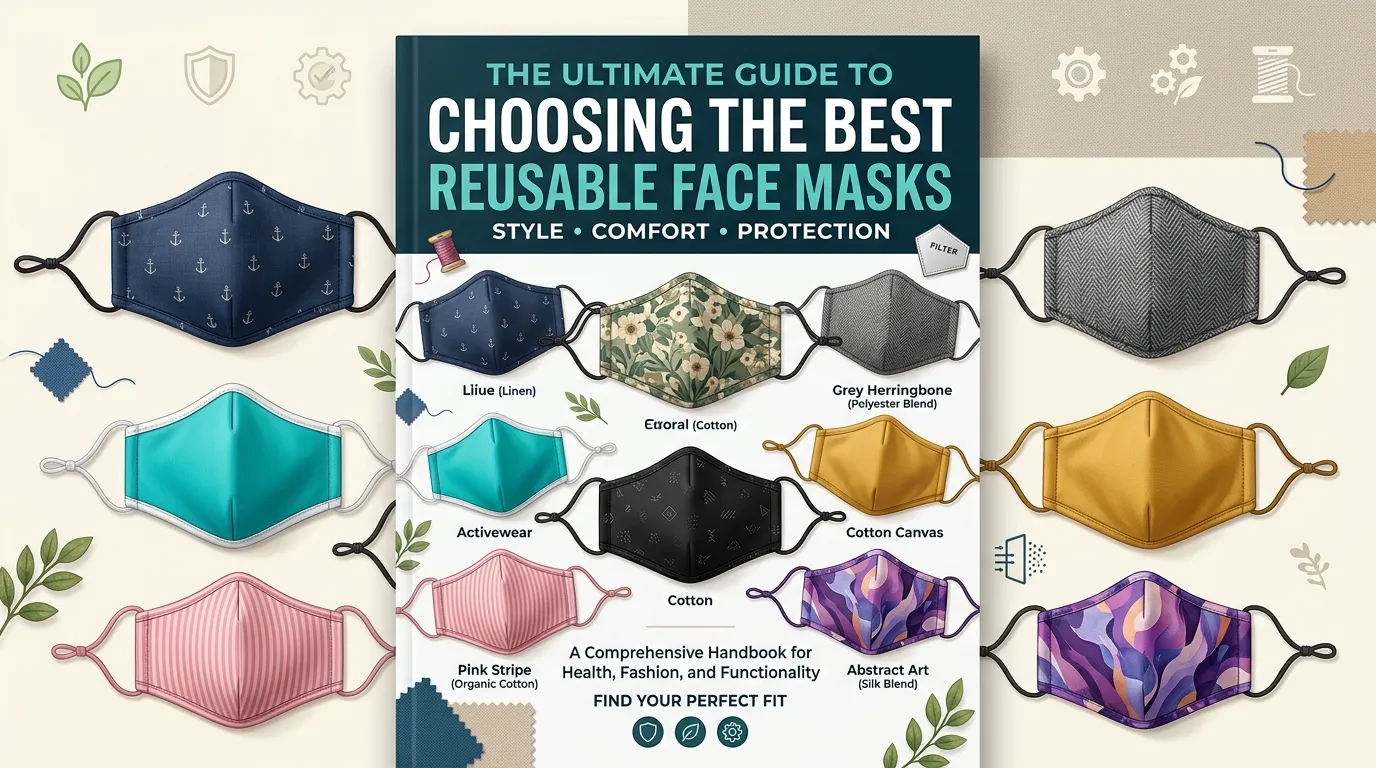
Reusable face masks offer a sustainable and cost-effective alternative to disposable masks while providing reliable daily protection. This guide explains how to choose the best reusable face masks based on filtration, comfort, breathability, fit, and materials, helping you stay protected while reducing environmental waste.
The best reusable face masks combine high-quality filtration, breathability, and a secure fit. Experts recommend selecting multi-layer cloth masks made from tightly woven materials like 100% cotton. These washable face coverings offer a sustainable, cost-effective alternative to single-use plastics while providing essential daily protection for the wearer and the surrounding community.
Public health guidelines and environmental consciousness have permanently altered how we view personal protective equipment. Reusable face masks emerged as a primary defense mechanism, evolving rapidly from makeshift bandanas into highly engineered daily accessories. Consumers now demand products that offer genuine protection without sacrificing comfort or ecological responsibility.
The shift toward sustainable personal protective equipment represents a massive change in consumer behavior. Single-use disposable masks create millions of tons of plastic waste annually, polluting oceans and overflowing landfills. By adopting reusable cloth face masks, individuals actively reduce their carbon footprint while securing reliable respiratory protection.
Understanding the nuances of mask construction, material science, and proper fit is essential for making an informed purchase. A high-quality mask requires careful consideration of fabric layers, breathability ratings, and adjustable components. This comprehensive guide explores every aspect of sustainable face coverings, helping you select the perfect protective gear for your specific daily requirements.
Why Should You Choose Reusable Cloth Face Masks?

Reusable cloth face masks provide a practical, economic, and environmentally responsible solution for respiratory protection. Unlike disposable alternatives that require constant repurchasing, a well-constructed cloth mask offers months of reliable use when properly maintained. The financial savings accumulate quickly, especially for individuals who wear protective gear daily for work or public transit.
Comfort plays a massive role in mask compliance. High-quality cloth masks utilize soft, skin-friendly fabrics that prevent irritation, acne, and chafing caused by prolonged wear. Manufacturers frequently design these masks with ergonomic contours that hug the face naturally, eliminating the awkward gaps commonly found in rigid disposable options.
Choose a reusable cloth mask if environmental sustainability matters as much to you as personal safety. The initial investment pays dividends through extended use, superior comfort, and a significant reduction in household waste.
What Makes Washable Face Masks Effective for Daily Wear?
The effectiveness of washable face masks hinges on their ability to withstand repeated laundering without losing structural integrity or filtration capacity. A premium washable mask retains its shape, elasticity, and fabric density even after dozens of cycles in a standard washing machine.
Proper maintenance dictates the lifespan and efficacy of these garments. Health professionals recommend washing face masks after every use using warm water and standard laundry detergent. This process effectively removes accumulated particles, bacteria, and natural skin oils that degrade the fabric over time. Heat drying further sanitizes the mask, ensuring it remains safe for the next application.
Durability varies significantly between brands and materials. When evaluating washable face masks, look for reinforced stitching along the seams and sturdy ear loops that resist fraying. Masks featuring synthetic blends mixed with natural fibers often demonstrate superior resilience against aggressive washing cycles.
How Do Eco-Friendly Face Masks Protect the Environment?
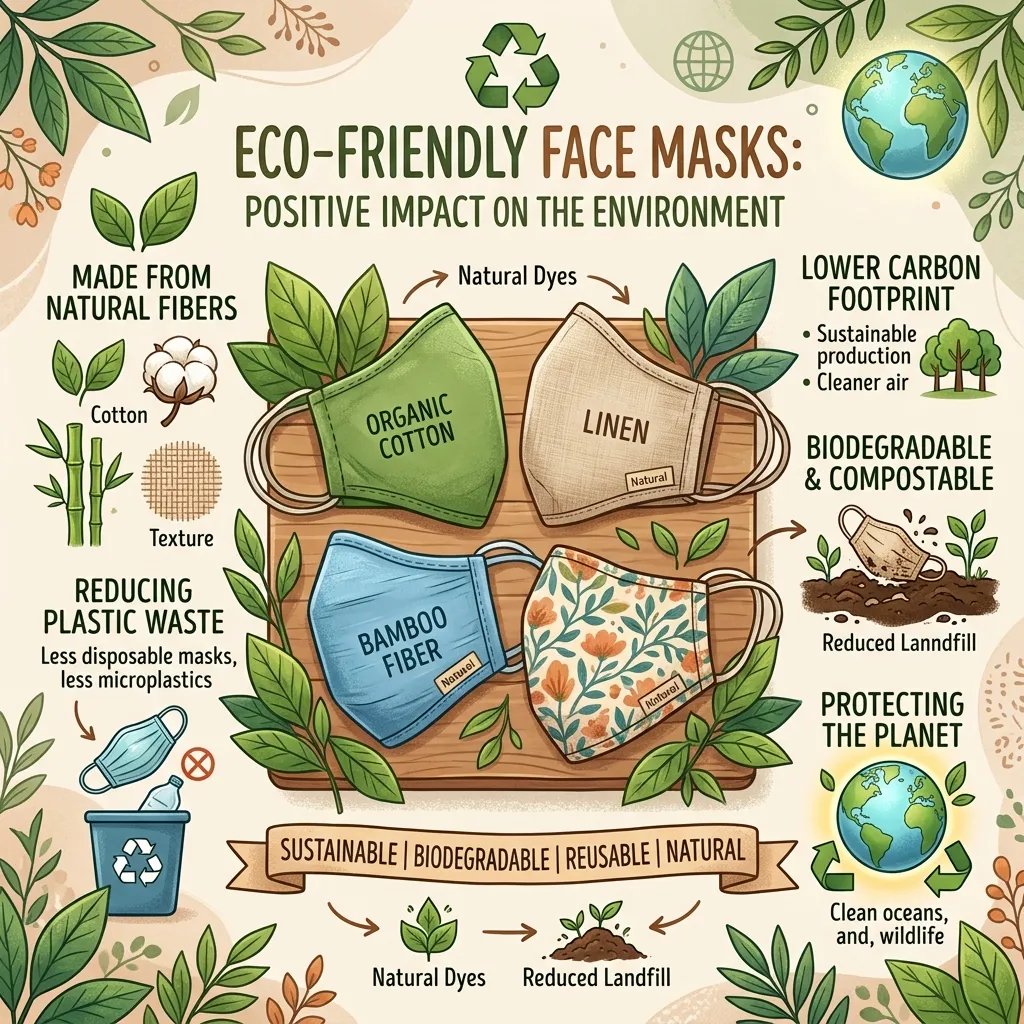
The environmental impact of disposable personal protective equipment is staggering. Eco-friendly face masks directly combat this ecological crisis by substituting single-use plastics with biodegradable, recyclable, or sustainably sourced materials. These alternatives prevent microplastics from entering aquatic ecosystems and reduce the massive carbon emissions associated with manufacturing disposable goods.
Manufacturers of eco-friendly masks often utilize organic cotton, hemp, or bamboo fibers. These crops require significantly less water and fewer harmful pesticides to cultivate compared to conventional textiles. Furthermore, many sustainable brands employ ethical manufacturing processes, utilizing renewable energy and fair-trade labor practices to produce their protective garments.
Exploring Sustainable Face Coverings
Sustainable face coverings take the eco-friendly concept a step further by incorporating circular economy principles. Some innovative companies construct masks entirely from recycled ocean plastics or repurposed textile scraps. This upcycling process removes existing waste from the environment while eliminating the need for virgin raw materials. Choose sustainable face coverings if you want your purchase to actively contribute to environmental remediation efforts.
What to Look for in Reusable Protective Masks?
When transitioning to reusable protective masks, filtration efficiency remains the top priority. The best reusable protective masks mimic the performance of medical-grade gear by incorporating advanced filtration technology into a washable format.
A high-quality protective mask should fit snugly against the cheeks, the bridge of the nose, and beneath the chin. Any gaps allow unfiltered air to bypass the fabric entirely, rendering the mask ineffective. To achieve this seal, many premium models feature flexible metal nose wires and contoured chin gussets that adapt to various facial structures.
Additionally, consider masks that include specialized pockets for disposable filters. Inserting a PM2.5 activated carbon filter into a reusable mask drastically increases its ability to block microscopic particulate matter, pollen, and airborne pollutants.
The Importance of Multi-Layer Cloth Masks
Scientific consensus clearly favors multi-layer cloth masks over single-ply alternatives. According to public health researchers, masks containing three or more distinct layers of fabric provide optimal protection.
The ideal configuration typically features a moisture-absorbing inner layer (like soft cotton) resting against the skin. The middle layer acts as a filtration barrier, often utilizing a non-woven synthetic material like polypropylene to trap tiny particles. Finally, the outer layer consists of a tightly woven, water-resistant fabric that blocks large respiratory droplets from penetrating the mask. This multi-layer approach maximizes filtration efficiency while maintaining acceptable airflow.
Why Are Cotton Face Masks So Popular?
Cotton face masks dominate the reusable market due to the natural properties of the fiber. One hundred percent woven cotton provides an excellent balance of filtration capability, durability, and user comfort. The tight weave of high-thread-count cotton physically blocks a significant percentage of airborne particles while remaining soft against sensitive facial skin.
Cotton’s hypoallergenic nature makes it the premier choice for individuals prone to contact dermatitis or “maskne” (mask-induced acne). The fabric readily absorbs moisture from exhaled breath, preventing the humid, sweat-trapping environment that encourages bacterial growth. Furthermore, cotton withstands high-temperature washing and drying cycles without melting or degrading, simplifying the sterilization process.
Finding Breathable Reusable Masks for Active Lifestyles
Breathability determines how long a person can comfortably wear a mask without feeling fatigued or restricted. Breathable reusable masks utilize moisture-wicking technology and strategic layering to allow air to pass freely while maintaining necessary filtration barriers.
Athletes, outdoor workers, and gym-goers specifically require masks that will not collapse against the mouth during heavy breathing. Designs featuring structured center seams or 3D cup shapes keep the fabric elevated away from the lips, facilitating easier oxygen exchange. Choose breathable reusable masks made with athletic-grade polyester blends if you intend to wear the covering during rigorous physical activity.
How Do Adjustable Face Masks Improve Fit and Safety?
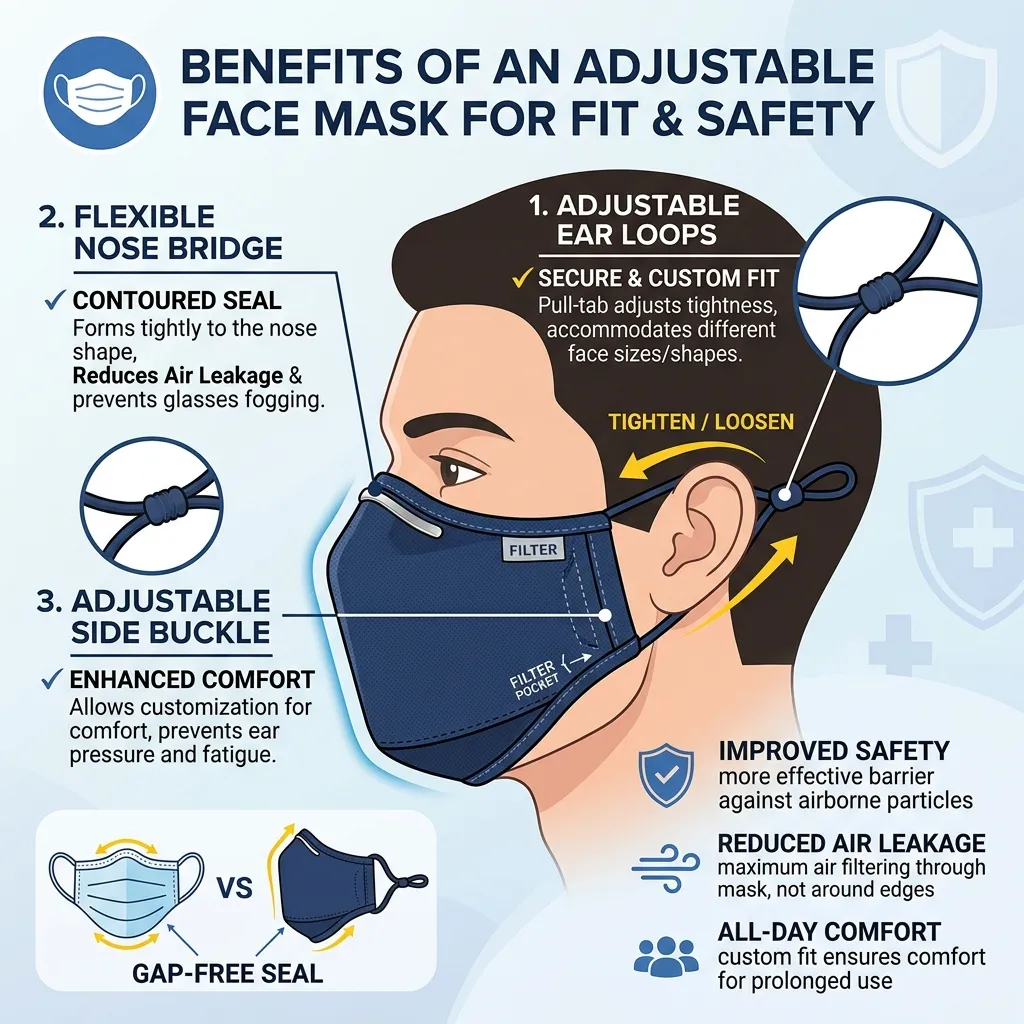
A mask only works if it stays securely in place. Adjustable face masks solve the universal problem of poor fit by accommodating a wide spectrum of face shapes and sizes. Faces vary wildly in proportion; a fixed-size mask that fits perfectly on one individual will hang loosely on another.
The most critical component of an adjustable mask is the ear loops. Masks featuring sliding silicone toggles allow the wearer to customize the strap tension instantly. This adjustability prevents the ear loops from pulling painfully on the ears while ensuring the mask remains firmly anchored against the face.
Adjustable neck lanyards and head straps provide alternative securing methods that bypass the ears entirely. These options offer superior comfort for individuals wearing masks for eight-to-ten-hour shifts, distributing the tension evenly across the back of the head and neck.
What Are the Best Reusable Masks for Daily Use?
Selecting reusable masks for daily use requires balancing protection, comfort, and professional aesthetics. Daily use masks must look appropriate in office settings, supermarkets, and public transit while enduring constant wear and tear.
For everyday application, seek out masks offered in neutral colors or subtle patterns that coordinate easily with professional attire. The fabric should resist wrinkling and hold its shape throughout the day. Many professionals rotate between five to seven different daily use masks, ensuring they always have a fresh, sanitized option ready for the workday.
When evaluating masks for daily use, prioritize convenience. Masks that dry quickly overnight, require no ironing, and maintain their structural integrity through repeated machine washing represent the best investment for daily commuters and frontline workers.
Moving Forward With Your Sustainable Choice
Transitioning to high-quality reusable face masks represents a commitment to personal health and environmental stewardship. By moving away from disposable plastics, you actively reduce pollution while securing superior respiratory protection through better-fitting, more comfortable garments.
Take inventory of your current daily routine and environment. If you work in a high-density office, prioritize multi-layer cloth masks with filter pockets. If your day involves rigorous outdoor labor, seek out highly breathable, moisture-wicking options. By selecting the right combination of materials, layers, and adjustable features, you can integrate face coverings seamlessly into your lifestyle. Start building your rotation of sustainable masks today to ensure you remain protected, comfortable, and environmentally responsible in any situation.
Frequently Asked Questions
How often should I clean my reusable cloth face masks?
You must wash reusable cloth face masks after every single use. Treat the mask like standard underwear; once worn in public, it accumulates oils, sweat, and potential airborne pathogens. Wash the mask using warm water and regular laundry detergent, and dry it completely before wearing it again.
Do cotton face masks provide enough protection against airborne particles?
Yes, high-thread-count cotton face masks provide substantial protection when properly constructed. A mask featuring two to three layers of tightly woven 100% cotton effectively blocks a high percentage of respiratory droplets. For enhanced safety in crowded environments, choose a cotton mask that includes a pocket for a disposable PM2.5 filter.
What is the best way to ensure an adjustable face mask fits correctly?
To achieve a proper fit, first mold the flexible metal nose wire securely over the bridge of your nose. Next, use the sliding toggles on the ear loops to tighten the mask until the fabric sits flush against your cheeks and beneath your chin. You should feel warm air moving through the fabric when you exhale, rather than escaping from gaps around the edges.
Can I wear breathable reusable masks while exercising at the gym?
Yes, you can wear breathable reusable masks during exercise. Choose masks specifically designed for athletic use, which typically feature structured 3D designs to keep fabric away from your mouth, and moisture-wicking synthetic blends that dry quickly. Avoid thick, heavy cotton masks for intense cardio, as they absorb sweat and restrict airflow when wet.
How long do sustainable face coverings typically last before needing replacement?
A well-constructed sustainable face covering typically lasts between three to six months with regular daily use and washing. You should replace the mask immediately if the fabric becomes visibly thin, tears develop, the ear loops lose their elasticity, or the mask no longer maintains a tight seal against your face.
